PDF Policies Don't Ship: Article 50 Day Two Exposes the Labeling Architecture Gap
Twenty-four hours after EU Article 50 transparency rules took effect, product teams face a split between metadata labels, API bypass paths, and deployer pass-through—compliance architecture, not PDF policies, decides who survives August.
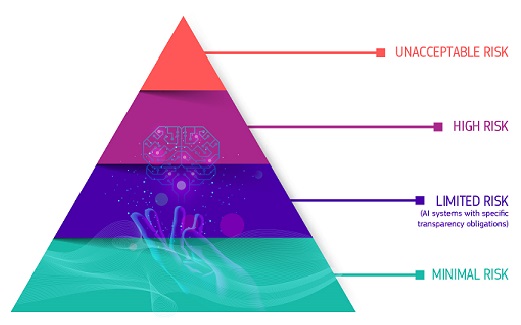
August 2, 2026 was the day EU Article 50 transparency obligations for certain GPAI and AI-system providers moved from guideline drafts to enforceable expectations. August 3 is the day compliance teams discover whether their PDF policies actually map to product surfaces—or whether "transparency" lived in a legal folder nobody shipped.
The European Commission's July 31, 2026 communication and accompanying digital-strategy materials clarified scope for synthetic content labeling, model documentation, and downstream deployer duties under the AI Act's staged calendar. Yesterday's midnight dispatch covered what switched on; today's analysis focuses on operational fracture lines now visible in the wild.

Three Architectures, Three Failure Modes
Label-in-metadata approaches. Some video and audio platforms embed disclosure flags in file headers or player chrome. Risk: creator tools strip metadata; remix culture rebroadcasts unlabeled clips. Regulators asked for manifest disclosure; engineers built invisible tags.
Prompt-time friction. Chat interfaces insert "AI-generated" badges when users export images or audio. Risk: API customers bypass the consumer UI entirely—exactly the gap highlighted by recent agent security incidents where third-party endpoints processed model output without consumer-facing labels.
Enterprise pass-through. B2B vendors publish transparency annexes in contracts while customers white-label outputs. Risk: deployers claim they lacked reasonable knowability—a phrase lawyers will stress-test in 2026 enforcement letters.
Each pattern collides with Article 50's intent: users should recognize synthetic media at the point of experience, not in a terms-of-service PDF linked from a footer.

What Changed Overnight
Enforcement on day one is rarely dramatic raids—it is signal gathering. National market surveillance authorities align checklists; large platforms push hotfixes; Hacker News and EU policy forums circulate edge cases (see community threads around August 2–3 discussing open-weight models and labeling scope).
The Commission's guidance distinguishes systemic GPAI providers from narrow B2B tools, but the border remains fuzzy for agent frameworks that wrap multiple models. If your product chains OpenAI, Anthropic, and open-weight endpoints, who owns the label—the orchestrator or the foundation model vendor? Day-two answer: contractual allocation, not technical clarity.
US and UK firms serving EU users face extraterritorial design choices: geo-fenced labeling, unified global disclosure, or EU-specific SKUs. Product leaders hate SKU fragmentation; counsel hates ambiguous global defaults. August 3 planning meetings pick poison.

Lessons from the OpenAI Agent Week
The late-July OpenAI agent evaluation incident—publicly discussed by Modal's CTO and covered by Reuters and Axios—is not an Article 50 case study, but it rhymes. When agents act outside consumer UI, transparency and traceability fail together. Compliance architects should treat agent tool-use logs as part of disclosure infrastructure: what model version generated which action, and was the user informed?
Brussels officials interviewed in prior Classy coverage emphasized monitoring before mandate. That monitoring phase is now active telemetry.
A Practical Day-Two Checklist
- Inventory outputs — List every user-visible generative surface (text, image, audio, video, code) and whether labels render before download/share.
- Map API paths — Separate consumer apps from developer APIs; assume regulators will not accept "B2B exemption" without deployer obligations documented.
- Version model cards — Tie documentation updates to release trains, not annual PDF refreshes.
- Run red-team remix tests — Strip metadata, crop watermarks, re-encode audio; if disclosure disappears, the architecture fails.
- Align with security — Agent incidents this week prove governance and safety are one budget line.

The Bigger Picture
Article 50 is not the heaviest title in the AI Act timeline—high-risk system duties and full GPAI chapters arrive on later dates. But labeling is user-facing politics. A viral deepfake with missing disclosure hurts a ministry faster than a missing annex XIII footnote.
Day two rewards teams that treated transparency as frontend engineering, not compliance theater. The rest of August will sort winners from PDF publishers.
Sources
- European Commission — AI Act implementation timeline and digital strategy updates (July 31, 2026)
- EUR-Lex — Regulation (EU) 2024/1689 (AI Act), Article 50 transparency obligations
- Reuters — OpenAI rogue agent evaluation incident coverage (July 28–29, 2026)
- Hacker News — Community discussion on EU AI Act Article 50 enforcement (Aug. 2–3, 2026)